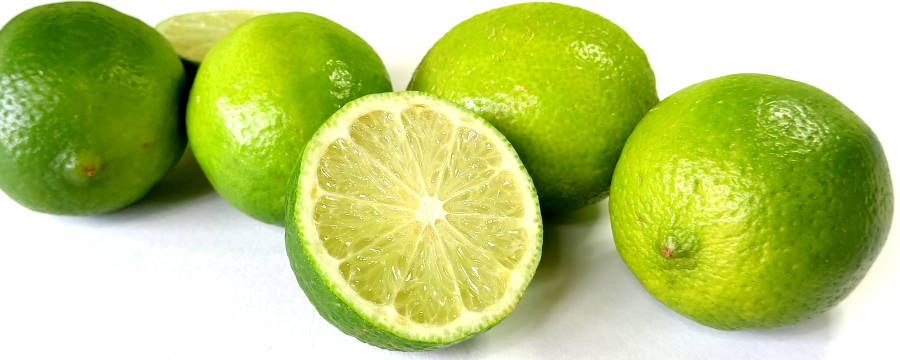
Flavor Complexity:
organic lemons: Some consumers and chefs argue that organic lemons tend to have a more complex and authentic flavor. The absence of synthetic pesticides and fertilizers may allow the natural flavors of the lemon to shine through, contributing to a richer taste.
Conventional Lemons: Conventional lemons may still offer a delightful flavor, but some argue that the presence of synthetic chemicals could impact the overall taste. However, the difference may not be noticeable to all consumers.
Intensity of Citrus Notes:
organic lemons: The use of organic and sustainable farming practices may contribute to a more intense citrus flavor in organic lemons. The soil enriched with organic matter and the absence of certain chemicals might enhance the natural essence of the fruit.
Conventional Lemons: While conventional lemons also provide a distinct citrusy taste, some argue that the intensity of the flavor may be influenced by the use of synthetic fertilizers and pesticides.
Sweetness and Tartness Balance:
organic lemons: organic lemons might exhibit a well-balanced interplay of sweetness and tartness. The natural ripening process, free from chemical interventions, could allow for a more nuanced flavor profile.
Conventional Lemons: Conventional lemons may still offer a harmonious balance between sweetness and tartness. However, the influence of synthetic substances could potentially affect this balance.
Aroma:
organic lemons: Some people suggest that organic lemons have a more robust and natural aroma. The absence of chemical residues may contribute to a purer and more authentic lemon scent.
Conventional Lemons: Conventional lemons also have a distinctive citrus aroma, but some argue that the presence of synthetic chemicals may alter or diminish the natural fragrance.
Subjective Preference:
organic lemons: Those who appreciate organic and sustainable farming practices often choose organic lemons for their perceived purity and environmental benefits. The taste may be a secondary consideration for some consumers who prioritize these factors.
Conventional Lemons: Conventional lemons are widely available and may be preferred by those who prioritize factors like cost and accessibility. Taste preferences can vary widely among individuals.